


Ever noticed tea from the same machine tasting a bit different from one week to the next, or the machine itself just not running as smoothly as it used to? Nine times out of ten, it’s not the tea powder causing the problem. It’s the water. Every Tea Vending Machine depends on water as its main ingredient, and if that water’s not up to scratch, it shows up in everything from how the tea tastes to how long the machine actually holds up.
Let’s get into what’s actually going on here.
Why Water Quality Matters in a Tea Vending Machine
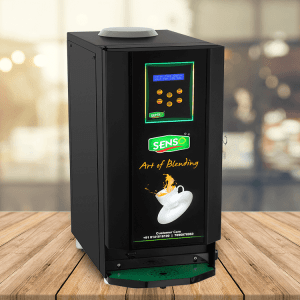
Water makes up most of every cup that comes out of a vending machine, so its quality really shapes the whole result. Bad water doesn’t just mess with the taste either, it slowly chips away at the machine’s insides too, without you even noticing until something goes wrong. And here’s the thing, water quality isn’t the same everywhere. Some places just naturally have much harder water than others, so a machine running like a dream in one location might start struggling the second it’s installed somewhere else with a totally different water supply.
How Water Composition Can Influence the Taste of Tea of Tea Vending Machine
Water’s not just water, as much as we all like to think of it that way. Depending on where it’s coming from, it can carry different levels of minerals, different pH, different amounts of dissolved solids, and all of that plays into how the tea actually extracts and tastes once it’s mixed. Run the exact same tea powder through two different water supplies and you can genuinely end up with two different-tasting drinks. That’s exactly why water quality deserves just as much attention as whatever’s going into the cup itself.
Hard Water vs. Soft Water: What Is the Difference?
Hard water’s got higher levels of dissolved minerals in it, mostly calcium and magnesium, while soft water has a lot less of that stuff floating around. If you want a rough idea of where your own water sits, check your local water authority’s reports, or just grab a simple TDS meter and test it yourself. Knowing this before you go any further makes a real difference when you’re figuring out filtration or maintenance needs.
How Mineral Content Can Affect Tea Flavor and Aroma
Too much mineral content and tea can start tasting flat, a bit bitter, or just off in a way that’s hard to put your finger on. Those minerals actually interact with the natural compounds in tea that give it its flavor and smell, and too much calcium or magnesium can dull all of that right down. It’s a big reason the exact same tea blend can taste noticeably better in one spot and worse in another, purely down to the water.
The Impact of Hard Water on Internal Machine Components
It’s not just about taste though. Hard water genuinely wears down the tea vending machine over time. Mineral deposits creep into pipes, valves, and heating elements bit by bit, slowly dragging down efficiency and upping the odds of a breakdown somewhere down the line. Worth checking your warranty paperwork too, since a lot of manufacturers actually specify water quality requirements, and running hard water through a machine without proper filtration can end up affecting that warranty without you realizing.
How Limescale Buildup Can Reduce Heating Efficiency
Lime scale’s probably the most common thing that comes from hard water, and it builds up quietly inside heating elements where you’ll never actually see it happening. As that layer gets thicker, the machine has to work harder and longer just to heat the water properly, which slows everything down and pushes your running costs up. Ignore it long enough and it can stop a heating element from working at all.
Why Water Quality Can Affect Mixing and Dispensing Consistency
Bad water doesn’t stop at taste and heating either. It can throw off how well the tea powder actually mixes and comes out of the machine. Mineral buildup can clog things up or cause uneven flow, meaning you end up with slightly different amounts in each cup. And that inconsistency undoes a lot of the hard work a good ready mix tea powder puts into being reliable every single time.
How Poor-Quality Water May Influence Beverage Appearance and Taste
It’s not just about how it tastes either. Poor water can actually change how the tea looks, sometimes leaving it a bit cloudy or with a thin film sitting on top. Customers pick up on this more than businesses tend to expect, and it can leave them thinking the tea’s cheap or low quality, even when the actual powder going into it is perfectly fine.
The Connection Between Water Temperature and Tea Extraction
Getting a proper extraction out of tea really comes down to the water hitting and holding the right temperature. If lime scale or dodgy water is dragging down a machine’s heating efficiency, the water might just never quite get hot enough, and you end up with a weak, underwhelming cup no matter how good the tea powder actually is.
How Water Filtration Can Support Better Beverage Quality
Filtration’s one of the smartest ways to get ahead of water quality problems before they turn into bigger issues. Basic inline filters knock out sediment and a bit of mineral content. Water softeners go straight after hardness, cutting down calcium and magnesium specifically. And reverse osmosis, or RO, systems go even further, stripping out a much wider range of impurities for genuinely clean water. Which one actually makes sense for you really comes down to how hard your local water is and how much your business leans on consistent beverage quality day in, day out.
Why Regular Descaling Is Important for Tea Vending Machine Performance
Even with good filtration in place, regular descaling is what keeps a machine actually running the way it should. Skip it and the lime scale just keeps piling up, which means more service calls, higher energy bills from a heating system working overtime, and a machine that won’t last nearly as long as it should. Skipping descaling to save a bit of hassle almost always costs more in the long run than just doing it properly on schedule.
Signs That Water Quality May Be Affecting Your Tea Vending Machine
A few things worth keeping an eye out for. Heating taking longer than it used to, tea tasting or looking different even though nothing’s changed with the powder, a chalky white residue showing up around the water outlets, or breakdowns happening more often than they should. All of these usually trace back to water quality once you dig into it.
How Routine Cleaning and Preventive Maintenance Help Maintain Consistent Performance
Regular cleaning and descaling really go hand in hand, since they’re tackling slightly different problems. Preventive maintenance is what catches the small stuff early, a slow drip, an early bit of limescale, before it turns into a proper breakdown. That’s what keeps a machine reliable and keeps your repair bills from spiraling later on.
Best Practices for Maintaining Water Quality in Commercial Tea Vending Machine
Getting the best out of a commercial machine long term really comes down to a handful of solid habits. Test your local water quality before you even install anything, pick the right filtration setup based on what that water actually needs, stick to a proper descaling schedule, and keep an eye out for those early warning signs we’ve already covered. None of it’s complicated on its own, but stick to all of it together and it makes a genuinely noticeable difference to both taste and how long the machine lasts.
FAQs
- How often should a tea vending machine be descaled?
Honestly, it depends a lot on how hard your local water is. As a rough guide, machines running on harder water usually need descaling every month or two, maybe up to three, while areas with softer water can often go longer between descales.
- Does bottled or filtered water make a noticeable difference?
Yeah, it really does in most cases. Filtered water tends to noticeably lift both the taste and how well the machine performs compared to plain tap water, especially if you’re somewhere with harder water to begin with.
Final Thoughts
Great-tasting tea from a vending machine isn’t just about the tea powder, the water running through it plays just as big a role in both flavor and how long the machine keeps performing well. If you’re running a Tea Vending Machine and want consistent results without the guesswork, Senso Foods can help you get the water quality and tea powder pairing right from the start.
With its responsive grid system and built-in components, developers can quickly build clean and accessible interfaces.
