


Good ingredients only get you so far. You can start with the best tea premix powder on the market, and it’ll still lose its flavor, clump up, or go stale faster than it should if the packaging isn’t doing its job properly. Tea premix powder is genuinely sensitive stuff — moisture, air, light, and heat all mess with it in different ways, which is exactly why packaging isn’t just about looking nice on a shelf, it’s actually doing a lot of the heavy lifting in keeping the product fresh for as long as it’s supposed to last.
The right packaging materials and decent storage habits protect the product from contamination, flavor loss, and just generally going downhill before its time. This piece walks through why packaging matters so much here, what actually threatens the product, and how to tell good packaging from packaging that’s just cutting corners.
Why Packaging Matters for Tea Premix Powder
Protecting Product Quality
Good packaging keeps the flavor and aroma intact instead of letting them fade out over time. It helps the texture stay consistent, rather than turning clumpy or gritty. And it keeps contamination out, which matters more than people think for something that’s going straight into a drink.
Extending Shelf Life
Proper packaging cuts down on moisture getting in, which is one of the biggest threats to powdered products generally. It limits oxidation, which quietly degrades flavor over time even when nothing looks obviously wrong. And it protects the product against whatever environmental conditions it happens to be sitting in, whether that’s a warm storeroom or a shelf near a window.
How Long Does Tea Premix Powder Actually Last?
There’s no single number that applies across the board here — shelf life depends on the specific formulation and how well it’s been packaged. Generally, properly packaged tea premix powder holds up for a genuinely useful stretch of time, but poor or damaged packaging can shorten that considerably, sometimes without any obvious sign until the product’s already gone off. Rather than assuming a fixed timeframe based on what you’ve heard elsewhere, it’s worth actually checking the manufacturing and expiry information printed on your specific product, since this varies between brands and formulations.
Does Ingredient Composition Affect Shelf Life Too?
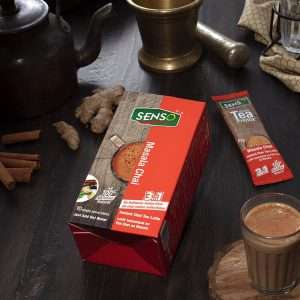 Worth being upfront about this — packaging isn’t the only thing at play. What’s actually in the premix matters too. Dairy content, sugar levels, and added flavorings all affect how stable the product is to begin with, before packaging even enters the picture.
Good packaging protects the product from external threats like moisture and air, but the formulation itself sets a kind of natural ceiling on how long the product can realistically last, even under ideal storage conditions. Packaging extends shelf life, it doesn’t make an inherently less stable formulation last indefinitely.
Environmental Factors That Affect Tea Premix Powder
Moisture Exposure
Moisture getting into the product causes clumping, and once it’s clumped, it doesn’t dissolve properly anymore, which is annoying enough on its own before you even get to the fact that it can lead to actual spoilage if left unchecked.
Air and Oxygen
Oxidation happens quietly in the background, gradually stripping away freshness. Over time, the flavour profile shifts too, usually not for the better.
Heat and Light
Heat speeds up ingredient degradation, reducing overall product stability. Light does its own damage too, particularly to aroma, which fades faster than people expect when a product’s stored somewhere bright.
Recognizing Signs of Spoilage
Worth knowing what to actually look out for, because relying purely on the printed expiry date isn’t quite enough, especially once a pack’s been opened. Clumping is an obvious visual sign. Off odors are usually pretty unmistakable once you notice them. Color changes, even subtle ones, are worth paying attention to. And flat or altered flavor, the kind where something just tastes a bit off compared to how it normally does, is often the clearest sign of all.
Packaging Materials Used for Tea Premix Powder- Moisture-Resistant Packaging
Multi-layer laminated pouches do a lot of the protective work here, combining several material layers to keep moisture out effectively. Barrier films add another layer of defense specifically against air and light. And properly sealed packaging ties it all together, making sure none of that protection is undermined by a weak seal.
Durable Commercial Packaging
Bulk packaging is ideal for those companies who want to move products rapidly. Resalable packs are useful for maintaining freshness when they are used several times instead of once. Furthermore, the packaging material used for food should be food grade.
Comparing Packaging Formats
Worth thinking through which format actually suits how the product’s going to be used. Single-serve sachets work well for portion-controlled or intermittent use, since each one stays sealed until the moment it’s actually needed, protecting the rest of the batch from exposure. Bulk pouches suit high-turnover settings where product moves through fast enough that extended shelf life pressure isn’t really the main concern.
Rigid containers like tins or jars offer strong physical protection and are often reused across multiple refills, though they depend heavily on how well they’re resealed after each use.
How Proper Sealing Improves Shelf Life
Airtight Packaging
Keeping air out is one of the simplest, most effective ways to maintain freshness. It directly reduces oxidation, which is a big part of the battle when it comes to preserving flavor over time.
Tamper-Evident Seals
Beyond freshness, tamper-evident seals matter for product safety generally, giving both consumers and commercial buyers a clear way to check quality assurance before use, and honestly, a bit of confidence that what they’re using hasn’t been compromised.
Storage Practices That Complement Good Packaging- Ideal Storage Conditions
A cool, dry environment does a lot of the work in preserving product quality. Keeping it away from direct sunlight protects against light-related degradation. And stable temperatures matter too — constant fluctuation between hot and cool tends to accelerate wear on the product even inside decent packaging.
Handling After Opening
Resealing the packaging immediately after each use genuinely matters, not just as a nice habit but as a real factor in shelf life. Avoiding moisture exposure during use, particularly in humid environments, protects against clumping. And using a clean, dry scoop every single time prevents introducing moisture or contaminants the packaging was otherwise keeping out.
Why Packaging Is Important for Commercial Users
Cafés depend on consistent product quality to keep their drinks tasting the same batch after batch. Offices running their own tea or coffee stations rely on the same thing. Hotels serving guests need reliability without much room for error. And vending machine operations, given how long product might sit before being used, genuinely depend on packaging holding up over an extended period.
Reducing Product Waste
Good packaging supports a longer usable life for the product, which naturally means less waste. It reduces how often stock needs replacing. And it supports better inventory management overall, since businesses aren’t constantly second-guessing whether product’s still good to use.
Does Packaging Quality Affect Cost?
Genuinely, yes, and it’s worth thinking about this properly rather than just going with whatever’s cheapest upfront. Cheaper packaging often means more product waste through spoilage, clumping, or reduced shelf life, and that waste has its own cost attached, even if it’s less visible than the packaging price itself.
Better packaging tends to cost more initially, but it often reduces total cost over time by cutting down on spoilage and reducing how often reordering’s needed, particularly for high-volume commercial users where even a small percentage of wasted product adds up fast.
Choosing High-Quality Tea Premix Powder
Evaluate the Packaging
Look at the material quality itself, not just how it looks on the outside. Check seal integrity carefully, since even good material fails if the seal’s weak. And always check the manufacturing and expiry information rather than assuming it’ll be fine.
Consider the Supplier
A supplier with consistent packaging standards across batches is worth more than one that varies. Reliable quality control matters just as much as the packaging materials themselves. And safe food handling practices throughout production genuinely affect the end product, even before packaging comes into play. When you’re actually evaluating tea premix powder options, these supplier-level factors matter just as much as anything printed on the pack itself.
Worked Example
Example A – A Café With High Daily Turnover
This café moves through a genuinely large amount of tea premix powder every single day. Bulk packaging suits their operation well, since product doesn’t sit around long enough for extended shelf life protection to be the main concern — speed of use does most of the work in keeping things fresh.
Example B – A Vending Machine Operation With Intermittent Use
This operation refills machines less frequently, meaning product sits for longer stretches between uses. Here, packaging genuinely needs to protect the product over a longer effective shelf life, since there’s no fast turnover doing the protective work for them the way it does for the café.
Why Usage Pattern Should Shape Packaging Choice
Turnover speed matters a lot in deciding what kind of packaging actually makes sense. So do on-site storage conditions, the packaging format itself, and the risk of extended exposure once a pack’s been opened. Neither example is doing anything wrong — they’re just working with genuinely different usage patterns, which is exactly why one-size-fits-all packaging advice doesn’t really hold up in practice.
Common Mistakes to Avoid
Not resealing packaging properly after opening. Storing product near heat sources or in direct sunlight. Ignoring manufacturing and expiry information printed on the pack. Buying in bulk without the turnover or storage capacity to actually use it before quality starts dropping. Choosing packaging based on price alone without considering the trade-off in waste. And exposing product to humidity during scooping or decanting, which undoes a lot of what good packaging was protecting against in the first place.
Tea Premix Powder Storage Checklist
Before and after opening:
- Before purchasing, verify manufacturing date and expiry date.
- Make sure that the packing is not messed with and is properly sealed.
- Store in a cool and dry place, away from direct sunlight.
- Re-seal the pack right after usage.
- Always use a clean and dry scoop while taking out the powder.
- Never store in non-airtight containers.
How long tea premix powder actually lasts isn’t just about what’s in it — the packaging matters just as much, maybe even more. It’s what’s actually standing between the powder and moisture, air, heat, and light, from the day it’s sealed right up until you’re scooping out the last bit. Good, sturdy, moisture-proof packaging combined with storing it properly keeps the flavor and smell where they should be, cuts down on waste, and keeps things consistent whether you’re using it at home or running a busy café.
So if you’re picking tea premix powder, don’t just look at what’s inside the pack — actually check how it’s packaged too, because at Senso Foods, we know that’s exactly what decides whether the product still tastes right by the time you actually get around to using it.
With its responsive grid system and built-in components, developers can quickly build clean and accessible interfaces.
