


Ever taken a sip of a really good chai latte and thought, okay, what is actually happening in this cup? Because it’s definitely not just tea with milk. It’s warmer, richer, way more going on than a regular cuppa. And that’s not down to one ingredient doing all the heavy lifting. It’s a handful of spices working together, each one adding something different, and once you know what’s actually in there, you start picking them out one by one every time you drink it.
So let’s talk about the spices that actually go into a proper chai latte, where they came from originally, and why this exact combo has survived for hundreds of years while so many other flavor trends have come and gone.
What Actually Makes a Chai Latte “Chai”?
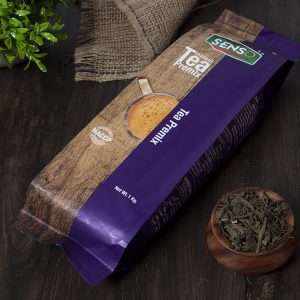
A real chai latte isn’t black tea with a dash of cinnamon on top, let’s be clear about that. It’s tea, milk, spices, and usually something sweet, all simmered together slowly so the flavors actually soak into the liquid instead of just floating on the surface.
The Core Spices in a Traditional Chai Latte
a. Cardamom
If chai had a backbone, it’d be cardamom. It brings this slightly sweet, floral, almost citrusy warmth that ties everything else together. Green cardamom pods usually get lightly crushed before going into the simmering tea, which lets their oils actually get into the liquid instead of just sitting there.
b. Cinnamon
Cinnamon is the one most people can actually name when they think of chai, even if they can’t pick out anything else in there. It adds this warm, slightly sweet depth. Traditionally you’d use whole cinnamon sticks rather than the ground stuff, since simmering the whole stick lets the flavor come out slower and more evenly.
c. Cloves
Cloves bring something stronger, almost bitter, a bit peppery even. You really don’t need many. Cloves are intense, and if you get heavy-handed with them, they’ll completely take over the rest of the blend.

d. Ginger
Ginger, whether fresh or dried and powdered, adds this sharp little kick that cuts right through the richness of the milk and balances out the sweeter spices like cardamom and cinnamon. It’s probably one of the most recognizable flavors in chai too, that warming quality everyone thinks of when it’s cold outside and someone hands them a cup.
e. Black Peppercorns
You wouldn’t expect black pepper in a sweet, milky drink, but a small amount actually rounds out the whole flavor and gives chai a bit of a kick you don’t get otherwise. This is honestly one of the things that separates a proper traditional chai latte from the flatter, sweeter versions you get at some cafes.
f. Star Anise
Star anise brings a mild licorice-ish note into the mix without taking over. It’s used a lot more sparingly than the rest, usually just one pod simmered in with everything.
g. Fennel Seeds
Fennel seeds add a little sweetness along with a cooling effect that balances out the heat from the ginger and pepper. Not a lot of people outside traditional chai-making even know fennel goes in there, but it plays a real role in rounding out the flavor.
h. Nutmeg
Just a touch of freshly grated nutmeg adds warmth and this earthy, slightly nutty note. You don’t need much, nutmeg’s strong enough that a little pinch does the job.
How These Spices Come Together in Traditional Preparation
The traditional way to make chai is simmering all these spices right in water first, letting their oils and flavor properly release, before the black tea leaves, milk, and sweetener even go in. That slow simmer is really what separates a genuine chai latte from the instant powdered stuff or the syrup-based versions that lean on artificial flavoring instead of actually using real spices.
And honestly, there’s no single “correct” ratio here. It varies by region, by family even, since chai has always been something passed down rather than followed off a strict recipe card. Some households go heavier on ginger and pepper if they like it spicier, others lean more into cardamom for something sweeter and softer.
Why the Spice Blend Matters So Much
a. Balance Between Warmth and Sweetness
Every spice in a proper chai blend has its own job. Some bring warmth, some bring sweetness, some give you that sharp little bite. Nailing that balance is really what separates a genuinely great cup from something flat and one-note.
b. Regional Variations Across India
Different parts of India make chai their own way. Some places really lean into ginger, others go heavier on cardamom, and some throw in extra fennel. That’s honestly a big part of why chai recipes end up so different even within one country, everyone’s got their own version.
c. The Role of Fresh vs Pre-Ground Spices
Whole spices, simmered slowly, just give you a richer, more layered flavor than pre-ground mixes do. Once spices are ground up and sitting around exposed to air, they start losing their punch pretty quickly.
Common Misconceptions About Chai Latte Spices
a. Chai Isn’t Just “Spiced Tea With Cinnamon”
A lot of the store-bought stuff basically just relies on cinnamon and calls it a day, which misses everything else a real blend brings, cardamom, cloves, ginger, all of it.
b. More Spice Doesn’t Always Mean More Authentic
Some newer takes on chai just dump in a ton of spices thinking that makes it more “authentic,” but real chai isn’t about piling everything in, it’s about getting the balance right.
c. Chai Lattes Don’t Require Artificial Flavoring
A lot of what you get at cafes is just syrup or powder trying to fake the flavor of real chai instead of actually simmering whole spices, and honestly, you can taste the difference. It comes out flatter, less complex.
How to Recognize a Well-Made Traditional Chai Latte
a. Depth of Flavor Beyond Sweetness
The perfect chai should have a flavor that is rich and warming, not just sweet. When you taste only cinnamon and sugar, then there is some element missing from the mixture.
b. Visible Whole Spices During Preparation
If you actually see whole spices going into the pot, cardamom pods, cinnamon sticks, cloves, that’s usually a solid sign you’re getting the real thing and not some shortcut version.
c. A Balanced Finish, Not Just Heat or Sweetness
A well-made chai latte should end with a warm taste due to the spices used in making it, rather than an over-spicy or extremely sweet taste, which is precisely why there’s no sense in following the traditional method.
Health Benefits Associated With Traditional Chai Spices
a. Ginger and Digestive Support
The connection between ginger and digestion has been there since forever, and that is one of the key reasons why ginger plays such an important role in chai other than its taste.
b. Cardamom and Its Aromatic Properties
Cardamom’s often credited with having a soothing effect in traditional practices, so there’s more to why it’s in there than just flavor alone.
c. Cinnamon’s Popularity Beyond Flavor
Cinnamon’s been studied a fair bit for its possible role in blood sugar regulation, which probably explains why it shows up in so many traditional drinks beyond just chai.
d. Cloves and Black Pepper’s Warming Properties
Cloves and black pepper both carry that reputation for being “warming” in different cultural food traditions, which fits right in with chai’s whole vibe as a cozy, comforting drink for colder days.
Bringing Traditional Chai Latte Flavor Into Your Own Kitchen
If you want to make an actual authentic chai latte at home, it comes down to using whole spices instead of the pre-ground stuff, simmering everything properly so the flavor actually comes out, and finding that sweet spot between warmth, sweetness, and a bit of kick from the ginger and pepper. Good quality ingredients really do make a difference here, since the whole point of doing it traditionally is letting real spices carry the flavor instead of leaning on anything artificial.
At Last What we have to say
Understanding what actually goes into a traditional chai latte really comes down to appreciating how each spice, cardamom, cinnamon, cloves, ginger, black pepper, and everything else, plays its own part in building that warm, layered flavor everyone loves. Reach out to Senso Foods to explore quality spice blends and ingredients that bring real, authentic chai latte flavor right into your own kitchen, right here in Canada.
With its responsive grid system and built-in components, developers can quickly build clean and accessible interfaces.
